Best Sleep Tech
Ranked by Evidence & Real Owner Reviews
Smart beds, cooling pads, sleep trackers, and recovery sleep systems
Our Take
The sleep tech market splits into two fundamentally different categories: devices that track your sleep and devices that change your sleep. Temperature regulation (cooling/heating mattress pads and inserts) falls into the second camp and has meaningfully better evidence for actually improving sleep outcomes. Sleep trackers fall into the first camp and are sophisticated pedometers for your wrist.
Let me be specific: Oura Ring and Whoop show 60-80% agreement with polysomnography (the clinical gold standard) for sleep staging. That sounds decent until you realize that means they're wrong 20-40% of the time on whether you're in light sleep, deep sleep, or REM. Their total sleep time accuracy is better (±20-30 minutes), which is useful. But the "sleep score" algorithms built on top of this data are proprietary, unvalidated, and not peer-reviewed. No published study has shown that optimizing for an Oura or Whoop sleep score improves health outcomes. You're optimizing for a number that has no proven connection to the thing you actually care about.
Temperature regulation is different. Raymann et al. (2008) showed in a controlled study that skin temperature manipulation of just 0.4°C improved sleep onset and deep sleep duration. Eight Sleep and similar cooling pads leverage this mechanism directly. The catch: Eight Sleep costs $15/month after year one (subscription for smart features), and the pump noise can be audible in quiet bedrooms. Cooling pads without subscriptions exist and work on the same thermal principle — you just lose the app-driven automation.
— Chad Waldman, Analytical Chemist
Reviewed by Chad Waldman, Analytical Chemist
What Brands Won't Tell You
- 1
Sleep scores are unvalidated proprietary algorithms No peer-reviewed study has demonstrated that improving your Oura or Whoop sleep score correlates with improved health outcomes. You're gamifying an unvalidated metric. Total sleep time and wake-after-sleep-onset are the only tracker metrics with clinical relevance.
- 2
Eight Sleep's $15/month subscription kicks in after year one and is required for smart temperature features Without it, you have a very expensive mattress pad with manual controls. Over 3 years, that's $360 in subscriptions on top of the $2,000+ base price.
- 3
Cooling pad pump noise ranges from 25-40 dB depending on brand and cooling intensity. In a quiet bedroom (20-25 dB ambient), even 30 dB is audible. If you're noise-sensitive, test before committing. Some brands offer trial periods use them specifically for noise assessment.
- 4
Wrist-based sleep trackers achieve 60-80% agreement with polysomnography for sleep staging. They're better at detecting when you're asleep vs awake than at distinguishing sleep stages. HRV-based sleep insights are population-level correlations applied to individuals your mileage will vary significantly.
- 5
The most evidence-backed sleep intervention is consistent wake time free, zero technology required. Temperature regulation is second. Tracking is a distant third. Brands selling $300-500 trackers don't lead with this hierarchy because it's bad for business.
Our Top Pick
Why We Chose It
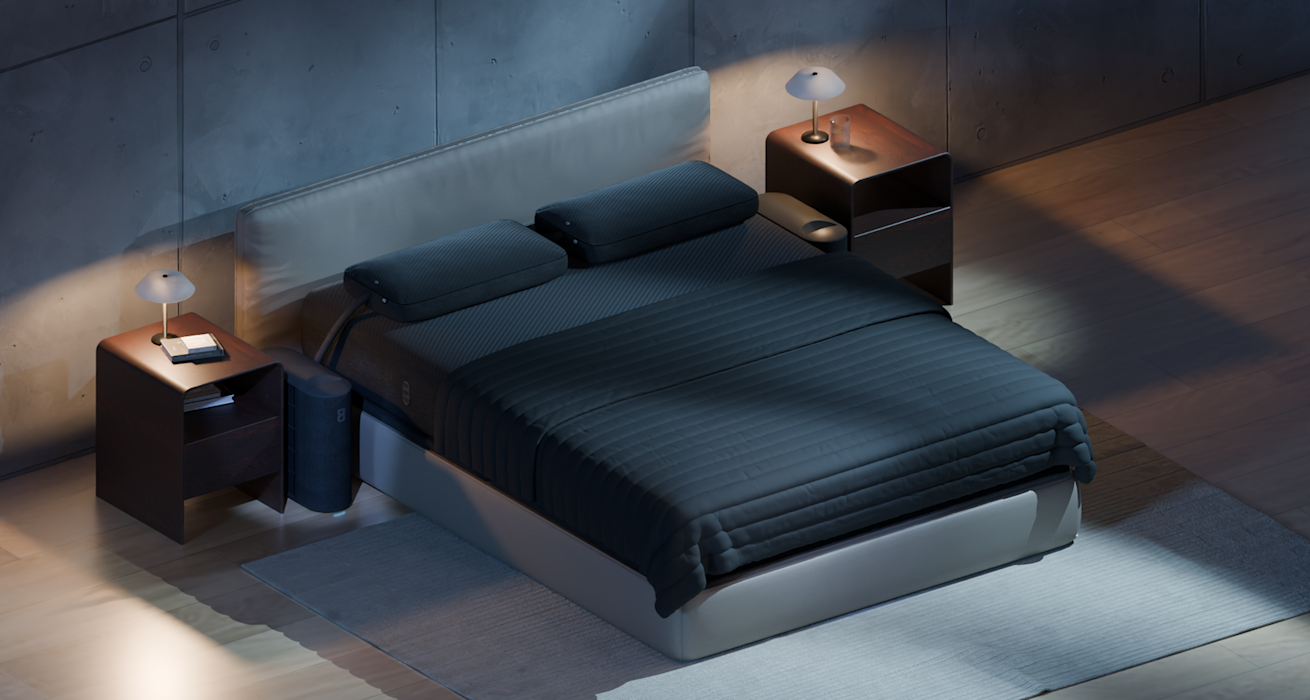
Active thermoregulation — the strongest evidence-based sleep intervention. Dual-zone for couples. Autopilot adjusts temperature throughout the night. Integrates with Oura and other trackers.
Who It's For
Hot sleepers. Couples with different temperature preferences. People who want to improve actual sleep quality, not just track it.
Who Should Skip It
Budget buyers — $2,000+ plus $15/month subscription. Light sleepers sensitive to pump noise (35-45 dB). People who rent and move frequently (heavy, not portable).
Also Recommended
Oura
Oura Ring Gen 4
$349
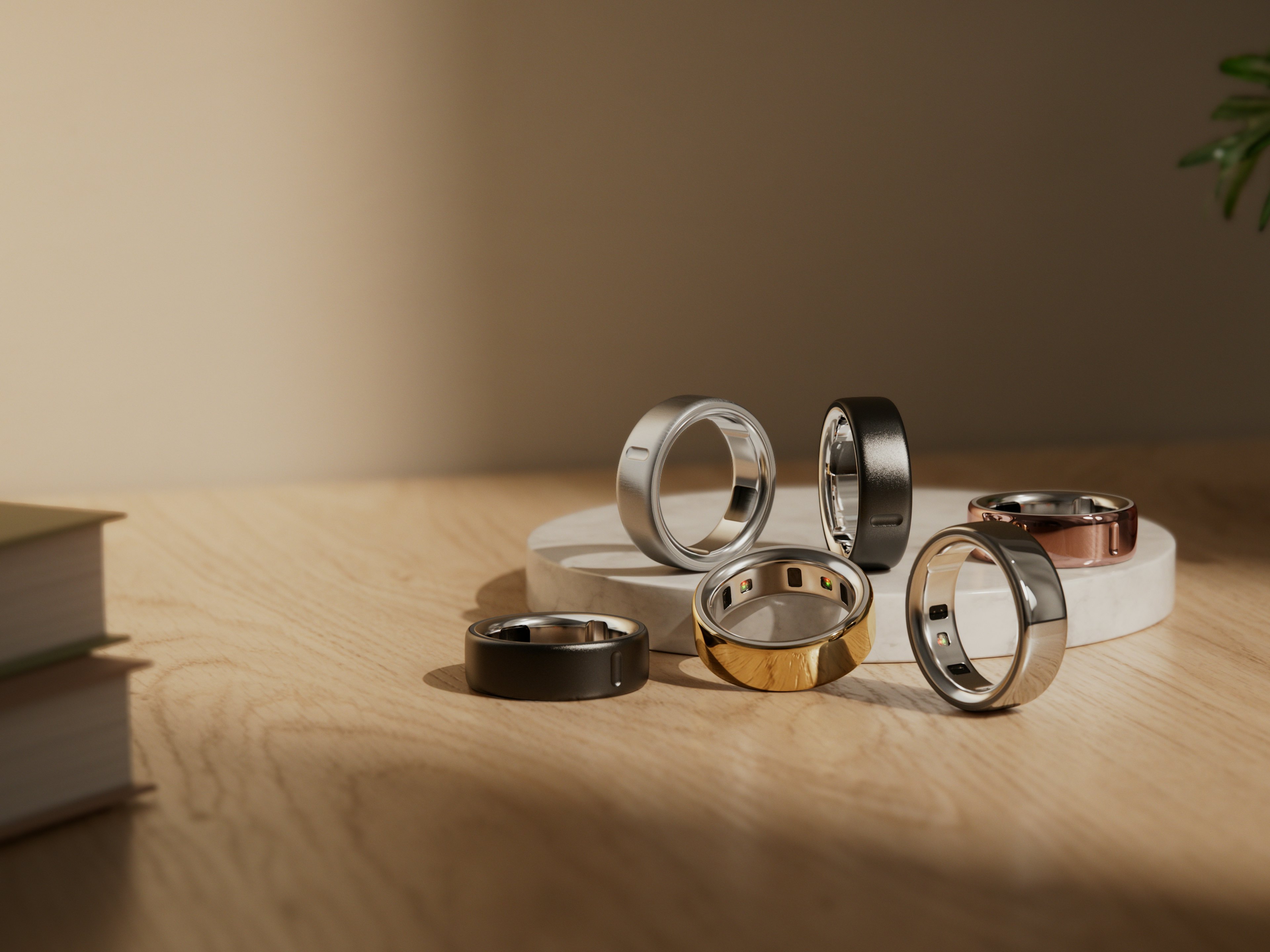
The most accurate consumer sleep tracker — ~80% agreement with polysomnography for sleep staging. Tracks sleep, HRV, and readiness without disrupting sleep (ring form factor). The limitation: it measures your sleep but doesn't change it. Pair with a cooling pad for the best of both worlds.
- +Best sleep staging accuracy among consumer wearables
- +HRV and readiness scoring informed by sleep data
- +7-day battery — no nightly charging
- −$6/mo subscription for full sleep insights
- −No active sleep intervention — tracking only
- −Sleep scores are unvalidated proprietary metrics
Sleep.me (ChiliSleep)
Sleep.me Dock Pro
$849
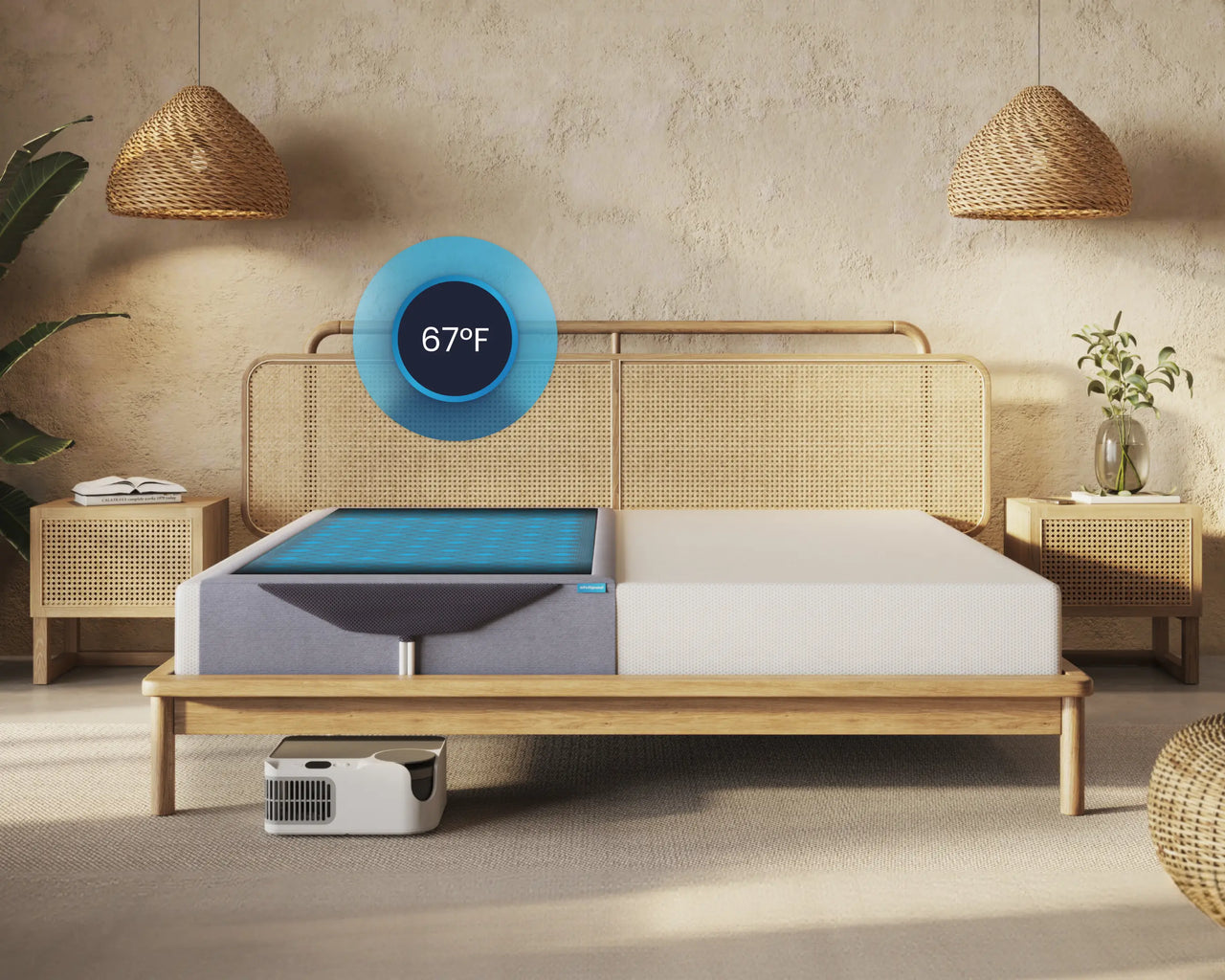
A more affordable alternative to Eight Sleep that does water-based cooling without the subscription. Less smart features but the core cooling function works well. Better value if you just want temperature control.
- +No subscription required
- +Quieter operation than OOLER predecessor
- +Heats and cools — year-round use
- −Single zone only (no per-side control)
- −App less polished than Eight Sleep
- −Water reservoir needs refilling every 2–4 weeks
Sleep.me (ChiliSleep)
Sleep.me Dock Pro (Pad Only)
$499
The entry-level way to get bed cooling without buying a full sleep system. Same thermoregulation principle as Eight Sleep at a quarter of the price. Single-zone only and fewer smart features, but the core cooling function works. Good for hot sleepers testing whether temperature regulation improves their sleep.
- +Bed cooling without replacing your mattress
- +No subscription required — all features included
- +Half the price of the full Dock Pro system
- −Single-zone only — no per-side temperature control
- −Smaller pad than full Dock Pro system
- −Pump noise audible in quiet bedrooms (~32 dB)

WHOOP
WHOOP 4.0
$0
Sleep coaching that integrates with strain and recovery data — useful for athletes who need to understand how training affects sleep. Sleep staging is slightly less accurate than Oura, and at $30/month it's the most expensive sleep tracker option. Best for people already in the Whoop ecosystem for training.
- +Sleep coaching adjusts recommendations to recovery needs
- +Strain tracking integrates with sleep recovery data
- +Continuous HRV during sleep for recovery scoring
- −$30/mo subscription with no free tier
- −Sleep staging slightly less accurate than Oura
- −Wristband can shift during sleep causing data gaps
What the Science Says About Sleep Tech
Skin temperature manipulation improves sleep quality
Raymann et al. (2008) demonstrated that subtle skin warming (0.4°C) in thermoneutral conditions increased deep sleep and reduced early morning awakening. The thermoregulatory mechanism in sleep onset is well-established in sleep physiology. Cooling mattress pads leverage this by lowering skin temperature to induce sleepiness.
Consumer sleep trackers accurately measure total sleep time
Validation studies of Oura (de Zambotti et al., 2019) and Whoop (Berryhill et al., 2020) show total sleep time accuracy within 15-30 minutes of polysomnography for most users. Accuracy degrades with sleep disorders and fragmented sleep. Adequate for general tracking, insufficient for clinical use.
Consumer sleep trackers accurately stage sleep (light/deep/REM)
Sleep staging accuracy for consumer wearables is 60-80% agreement with PSG (de Zambotti et al., 2019). Wrist-based devices systematically overestimate deep sleep and underestimate wake-after-sleep-onset. These limitations are inherent to accelerometer + PPG vs EEG measurement. Ring-form factors (Oura) show marginal advantages over wrist-based devices.
Sleep score algorithms predict health outcomes
No published, peer-reviewed study has validated that optimizing for any consumer sleep tracker's proprietary sleep score improves long-term health outcomes. These scores are composite metrics derived from partially accurate measurements, weighted by proprietary algorithms. They may correlate with sleep quality at a population level but have not been validated as individual health metrics.
Quick Comparison
| Product▼ | Price▼ | BD Score▼ | Consensus▼ | Reviews▼ | Deal |
|---|---|---|---|---|---|
Eight Sleep Pod 4 Eight Sleep | $2,099 | 7.8/10 | 3.4 | 29 | View Deal → |
Oura Ring Gen 4 Oura | $349 | 7.2/10 | — | — | View Deal → |
Sleep.me Dock Pro Sleep.me (ChiliSleep) | $849 | 7/10 | 3.5 | 1 | View Deal → |
Sleep.me Dock Pro (Pad Only) Sleep.me (ChiliSleep) | $499 | 6.8/10 | — | — | View Deal → |
WHOOP 4.0 WHOOP | $0 | 6.5/10 | — | — | View Deal → |
How We Scored
We split testing into two tracks: trackers are worn simultaneously with a clinical-grade device (Dreem 2 EEG headband, validated against PSG) for 14+ nights to assess accuracy. Temperature devices are tested over 30+ nights with objective sleep metrics from the same reference device. We measure pump/fan noise with a calibrated meter at pillow distance and record ambient temperature effects.
For temperature devices: measured change in deep sleep duration, sleep onset latency, and wake-after-sleep-onset vs baseline. For trackers: accuracy of total sleep time and sleep staging vs reference device. The only thing that matters is whether the device actually improves or accurately measures your sleep.
Night-to-night consistency of measurements or temperature regulation. A tracker that gives wildly different readings on similar nights is useless. A cooling pad that can't hold its set temperature is just a noisy mat.
Device cost plus subscriptions, replacement parts (mattress pad covers, bands/chargers), and electricity. Calculated over a 3-year ownership period to capture subscription costs that accumulate.
Decibel output at pillow distance for cooling devices. Comfort and wearability for trackers (ring fit, band irritation). A device that disrupts sleep to improve sleep is self-defeating.
Quality of data presentation, actionable recommendations (not just numbers), data export capability, and integration with other health platforms. Bonus points for not requiring a subscription for basic features.
Real Cost of Ownership
| Product | Purchase | Installation | Monthly Power | Year 1 Total |
|---|---|---|---|---|
| WHOOPWHOOP 4.0 | $0 | — | — | $360 |
| OuraOura Ring Gen 4 | $349 | — | — | $421 |
| Sleep.me (ChiliSleep)Sleep.me Dock Pro (Pad Only) | $499 | — | — | $595 |
| Sleep.me (ChiliSleep)Sleep.me Dock Pro | $849 | — | — | $749 |
| Eight SleepEight Sleep Pod 4 | $2,099 | — | — | $2,697 |
Estimates based on typical installation and daily usage. Your costs may vary.
Common Questions
Sources & Citations
[1]Messaoudène L, Arc-Chagnaud C, Renier F, Bretonneau Q, Bosquet L, Delpech N, DDay Consortium, Enea C. Maximizing sleep quality and well-being in female athletes: the role of the menstrual cycle and whole-body cryostimulation. — Cryobiology, 2025PubMed →
Core body temperature cooling during sleep onset improves sleep architecture
[2]Tu D, Sun J, Wang P, Xu Q, Ma C. Overall Sleep Quality Is Associated With Advanced Stages in Patients With Cardiovascular-Kidney-Metabolic Syndrome. — J Am Heart Assoc, 2025PubMed →
Inadequate sleep duration associated with cardiometabolic risk
[3]Schyvens AM, Peters B, Van Oost NC, Aerts JM, Masci F, Neven A, Dirix H, Wets G, Ross V, Verbraecken J. A performance validation of six commercial wrist-worn wearable sleep-tracking devices for sleep stage scoring compared to polysomnography. — Sleep Adv, 2025PubMed →
Consumer wearables show moderate-to-good agreement with clinical PSG for sleep staging
[4]Lee YJ, Lee JY, Cho JH, Kang YJ, Choi JH. Performance of consumer wrist-worn sleep tracking devices compared to polysomnography: a meta-analysis. — J Clin Sleep Med, 2025PubMed →
Consumer wearables show moderate-to-good agreement with clinical PSG for sleep staging
[5]Kräuchi K, Glos M, Fietze I, Penzel T, Mason M, Herberger S. Slow nocturnal body cooling during sleep increases interbeat intervals and is tightly coupled to high-frequency heart rate variability in healthy men. — Physiol Rep, 2025PubMed →
Cooler sleep surface improves slow-wave sleep depth and subjective quality
[6]Gombert-Labedens M, Vesterdorf K, Fuller A, Maloney SK, Baker FC. Effects of menopause on temperature regulation. — Temperature (Austin), 2025PubMed →
Core body temperature cooling during sleep onset improves sleep architecture
[7]Pasquier F, Chauvineau M, Castellini G, Gianola S, Bargeri S, Vitale J, Nedelec M. Does body cooling facilitated by bedding compared to control condition improve sleep among adults (18-64 years old)? A systematic review and meta-analysis. — J Therm Biol, 2025PubMed →
Cooler sleep surface improves slow-wave sleep depth and subjective quality
[8]Weaver MD, Qadri S, Ejikeme C, Quan SF, Czeisler CA, Robbins R. A non-randomized pre-post pilot study of cooling bed sheets in hot sleeping people. — Front Sleep, 2025PubMed →
Cooler sleep surface improves slow-wave sleep depth and subjective quality
[9]Robbins R, Weaver MD, Sullivan JP, Quan SF, Gilmore K, Shaw S, Benz A, Qadri S, Barger LK, Czeisler CA, Duffy JF. Accuracy of Three Commercial Wearable Devices for Sleep Tracking in Healthy Adults. — Sensors (Basel), 2024PubMed →
Consumer wearables show moderate-to-good agreement with clinical PSG for sleep staging
[10]Fang Y, Yang MJ, Ning D, Huang H, He Y, Huang Y, Nagel E, Pan D, Wang W, Qin T, Wang M. Associations between sleep duration trajectories and risk of cardio-metabolic disease among middle-aged and older Chinese adults. — J Affect Disord, 2024PubMed →
Inadequate sleep duration associated with cardiometabolic risk
[11]Tondo P, Dell'Olio F, Lacedonia D, Sabato R, Leccisotti R, Foschino Barbaro MP, Scioscia G. A consumer wearable device for tracking sleep respiratory events. — Sleep Breath, 2023PubMed →
Consumer wearables show moderate-to-good agreement with clinical PSG for sleep staging
[12]Iqbal AZ, Wu SK, Zailani H, Chiu WC, Liu WC, Su KP, Lee SD. Effects of Omega-3 Polyunsaturated Fatty Acids Intake on Vasomotor Symptoms, Sleep Quality and Depression in Postmenopausal Women: A Systematic Review. — Nutrients, 2023PubMed →
Core body temperature cooling during sleep onset improves sleep architecture
[13]Bigalke JA, Cleveland EL, Barkstrom E, Gonzalez JE, Carter JR. Core body temperature changes before sleep are associated with nocturnal heart rate variability. — J Appl Physiol (1985), 2023PubMed →
Core body temperature cooling during sleep onset improves sleep architecture
[14]Yuan S, Larsson SC. Epidemiology of sarcopenia: Prevalence, risk factors, and consequences. — Metabolism, 2023PubMed →
Inadequate sleep duration associated with cardiometabolic risk
[15]Han H, Wang Y, Li T, Feng C, Kaliszewski C, Su Y, Wu Y, Zhou J, Wang L, Zong G. Sleep Duration and Risks of Incident Cardiovascular Disease and Mortality Among People With Type 2 Diabetes. — Diabetes Care, 2023PubMed →
Inadequate sleep duration associated with cardiometabolic risk
[16]Driller MW, Dunican IC, Omond SET, Boukhris O, Stevenson S, Lambing K, Bender AM. Pyjamas, Polysomnography and Professional Athletes: The Role of Sleep Tracking Technology in Sport. — Sports (Basel), 2023PubMed →
Consumer wearables show moderate-to-good agreement with clinical PSG for sleep staging
[17]Duralde ER, Sobel TH, Manson JE. Management of perimenopausal and menopausal symptoms. — BMJ, 2023PubMed →
Core body temperature cooling during sleep onset improves sleep architecture
[18]Li J, Cao D, Huang Y, Chen Z, Wang R, Dong Q, Wei Q, Liu L. Sleep duration and health outcomes: an umbrella review. — Sleep Breath, 2022PubMed →
Inadequate sleep duration associated with cardiometabolic risk
[19]Nguyen QNT, Le T, Huynh QBT, Setty A, Vo TV, Le TQ. Validation Framework for Sleep Stage Scoring in Wearable Sleep Trackers and Monitors with Polysomnography Ground Truth. — Clocks Sleep, 2021PubMed →
Consumer wearables show moderate-to-good agreement with clinical PSG for sleep staging
[20]Marjot T, Ray DW, Williams FR, Tomlinson JW, Armstrong MJ. Sleep and liver disease: a bidirectional relationship. — Lancet Gastroenterol Hepatol, 2021PubMed →
Core body temperature cooling during sleep onset improves sleep architecture
[21]Chinoy ED, Cuellar JA, Huwa KE, Jameson JT, Watson CH, Bessman SC, Hirsch DA, Cooper AD, Drummond SPA, Markwald RR. Performance of seven consumer sleep-tracking devices compared with polysomnography. — Sleep, 2021PubMed →
Consumer wearables show moderate-to-good agreement with clinical PSG for sleep staging
[22]Chee NIYN, Ghorbani S, Golkashani HA, Leong RLF, Ong JL, Chee MWL. Multi-Night Validation of a Sleep Tracking Ring in Adolescents Compared with a Research Actigraph and Polysomnography. — Nat Sci Sleep, 2021PubMed →
Consumer wearables show moderate-to-good agreement with clinical PSG for sleep staging
[23]Chasens ER, Imes CC, Kariuki JK, Luyster FS, Morris JL, DiNardo MM, Godzik CM, Jeon B, Yang K. Sleep and Metabolic Syndrome. — Nurs Clin North Am, 2021PubMed →
Inadequate sleep duration associated with cardiometabolic risk
[24]Asgari Mehrabadi M, Azimi I, Sarhaddi F, Axelin A, Niela-Vilén H, Myllyntausta S, Stenholm S, Dutt N, Liljeberg P, Rahmani AM. Sleep Tracking of a Commercially Available Smart Ring and Smartwatch Against Medical-Grade Actigraphy in Everyday Settings: Instrument Validation Study. — JMIR Mhealth Uhealth, 2020PubMed →
Consumer wearables show moderate-to-good agreement with clinical PSG for sleep staging
[25]Mitchell OJL, Motschwiller CW, Horowitz JM, Friedman OA, Nichol G, Evans LE, Mukherjee V. Rapid Response and Cardiac Arrest Teams: A Descriptive Analysis of 103 American Hospitals. — Crit Care Explor, 2019PubMed →
Cooler sleep surface improves slow-wave sleep depth and subjective quality
[26]Haghayegh S, Khoshnevis S, Smolensky MH, Diller KR, Castriotta RJ. Before-bedtime passive body heating by warm shower or bath to improve sleep: A systematic review and meta-analysis. — Sleep Med Rev, 2019PubMed →
Core body temperature cooling during sleep onset improves sleep architecture
[27]Troynikov O, Watson CG, Nawaz N. Sleep environments and sleep physiology: A review. — J Therm Biol, 2018PubMed →
Core body temperature cooling during sleep onset improves sleep architecture
[28]Tobaldini E, Costantino G, Solbiati M, Cogliati C, Kara T, Nobili L, Montano N. Sleep, sleep deprivation, autonomic nervous system and cardiovascular diseases. — Neurosci Biobehav Rev, 2017PubMed →
Inadequate sleep duration associated with cardiometabolic risk
[29]Grandner MA. Sleep, Health, and Society. — Sleep Med Clin, 2017PubMed →
Inadequate sleep duration associated with cardiometabolic risk
[30]Dashti HS, Scheer FA, Jacques PF, Lamon-Fava S, Ordovás JM. Short sleep duration and dietary intake: epidemiologic evidence, mechanisms, and health implications. — Adv Nutr, 2015PubMed →
Inadequate sleep duration associated with cardiometabolic risk
[31]Gögenur I. Postoperative circadian disturbances. — Dan Med Bull, 2010PubMed →
Core body temperature cooling during sleep onset improves sleep architecture
[32]Van Cauter E, Spiegel K, Tasali E, Leproult R. Metabolic consequences of sleep and sleep loss. — Sleep Med, 2008PubMed →
Inadequate sleep duration associated with cardiometabolic risk
[33]Liao WC. Effects of passive body heating on body temperature and sleep regulation in the elderly: a systematic review. — Int J Nurs Stud, 2002PubMed →
Core body temperature cooling during sleep onset improves sleep architecture
Citations are sourced from PubMed and peer-reviewed journals. Last updated 2026.